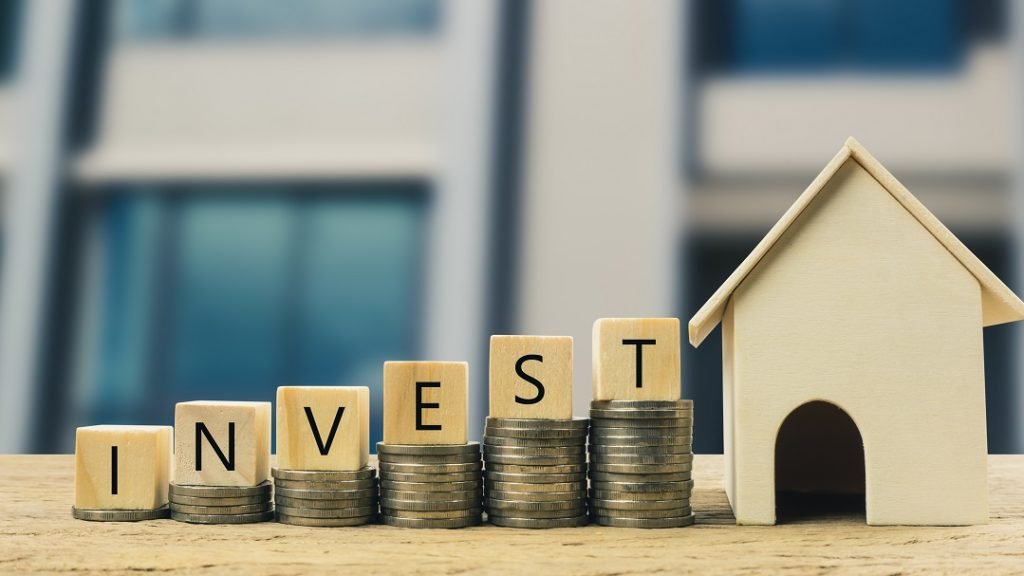
Welcome to the topic Investment Portfolio.
The principle of diversification has been around for a long time. We can observe the market’s gyrations and reactions as they began to falter during the dot-com disaster and again during the Great Recession with the benefit of hindsight. It’s important to remember that putting together an investment portfolio is an art form, not a reflex. Before diversification is required, practice disciplined investing with a varied portfolio. When an ordinary investor “reacts” to the market, they have already done 80% of the harm. A good attack is your greatest defense in more places than most, and a well-diversified portfolio with a five-year investing horizon can weather most storms.
Here are some suggestions to help you diversify when it comes to investing your portfolio:
- Distribute the Wealth
Equities can be great investments, but you should not put all of your money in one sector or stock. Consider launching your own virtual mutual fund by investing in a few firms you know, trust, and even use daily. On the other hand, stocks aren’t the only issue to consider. Other alternatives include commodities, exchange-traded funds (ETFs), and real estate investment trusts (REITs) (REITs). Also, don’t limit yourself to your own home base. Consider expanding your horizons and going global. You’ll spread your risk this way, which could result in bigger rewards.

- Think about index or bond funds
You could want to diversify your portfolio by including index funds or fixed-income products. Investing in index-tracking securities is a great method to diversify your portfolio over time. By adding fixed-income alternatives to your portfolio, you may further protect it from market volatility and unpredictability. Rather than buying in a specific sector, these funds try to imitate the performance of broad indexes to reflect the value of the bond market.
- Continue to expand your portfolio.
Make regular additions to your investments. Use dollar-cost averaging if you have $10,000 to invest. This method is intended to help smooth out the peaks and valleys of market volatility. By continuously investing the same amount of money over time, this method limits your investment risk. When you regularly invest money in a specified portfolio of securities, this is known as dollar-cost averaging. You’ll buy more shares when prices are less and fewer when prices are high.
- Recognize when it’s time to leave
Buying and holding are among the best strategies, as is dollar-cost averaging. However, just because your investments are on autopilot doesn’t mean you shouldn’t pay attention to the forces at work. Keep up with your investments and keep track of any changes in the overall market.
- Maintain a close eye on commissions
If you’re not into trading, make sure you know what you’re getting for your money. Some of the companies charge a monthly fee, while others only charge per transaction. These can quickly add up and eat into your profit margins. You should know what you’re paying for and what you’re getting in return.
Investing should be a fun and rewarding process. It has the potential to be both educative and entertaining. Even in the worst of times, investing portfolio can be rewarding if you use a disciplined approach and employ diversification, buy-and-hold, and dollar-cost averaging strategies.
Also Read: How to Invest 10K
 Party Investors
2 thoughts on “Investment Portfolio”