What is shorting? Shorting of securities or assets of any kind is an act that requires some prior action by the investor. This means that you already had to own an asset through purchase, otherwise it cannot be sold short. A lot of investors believe they can just sell their stock without owning it first, however, this is not true. It will result in your termination from any broker/dealer who works with individuals on Wall Street because it is illegal and unethical according to the Securities Exchange Act of 1934.
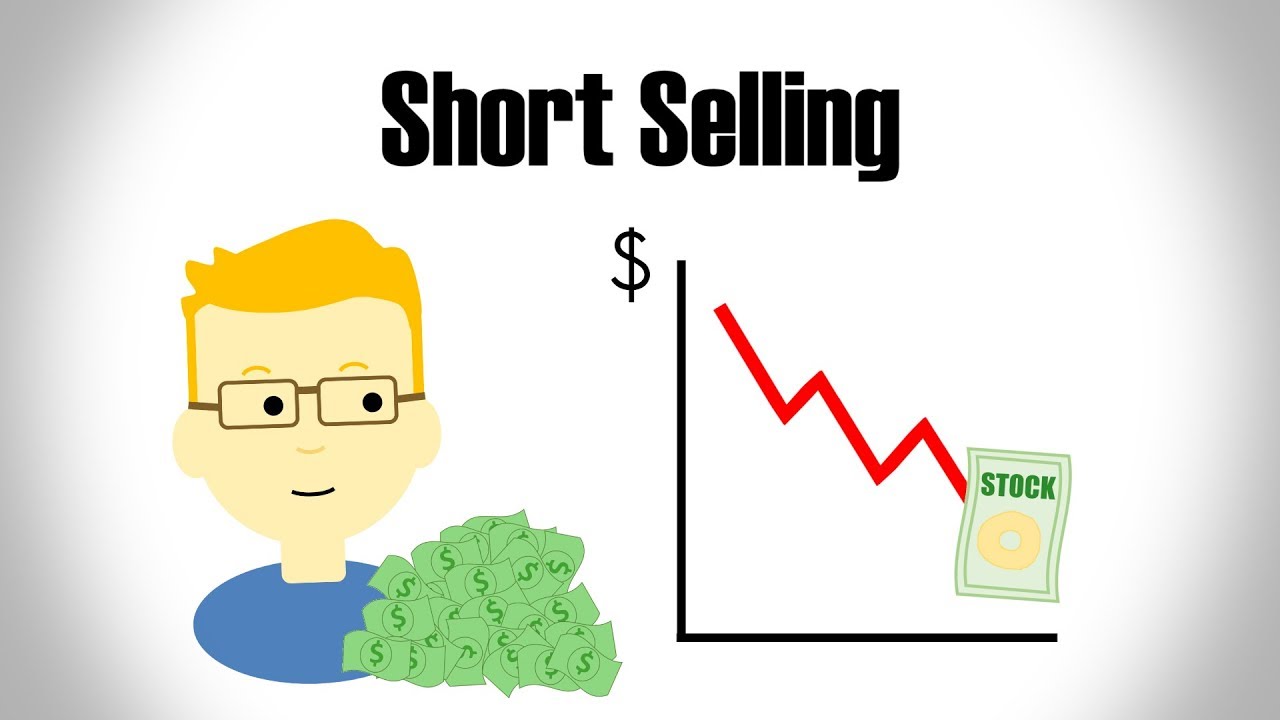
Shorting allows for profits to be made when a declined security keeps declining. Many brokerage firms practicing this require having $2-5k on account (or more depending on how much you are at risk). The profit opportunities are higher, but so are the risks. You can’t just short-sell any security you want; there are rules and regulations that must be followed by each company. There is more than one type of shorting, however, all types fall under these main categories: Uptick/Downtick Rule, Short Squeeze, Naked Shorts, etc. “One at a time please!”
Uptick or Downtick
An Uptick or Downtick refers to the act of buying on an uptick(demand) or selling on a downtick (supply). This is important because it sets ground rules for when you can open up your position with regard to past price movement. For example, if XYZ Company releases some bad news about their new product, the price goes down.

If you are on the supply end of the order it is not permitted to short unless under certain conditions. When market or security prices are rising, that’s an uptick. If the stock has gone down in value it is considered a downtick before you can sell your shares.[3] This makes sense because nobody wants to buy at higher prices when they could have got them for less just moments ago.
Short Squeeze
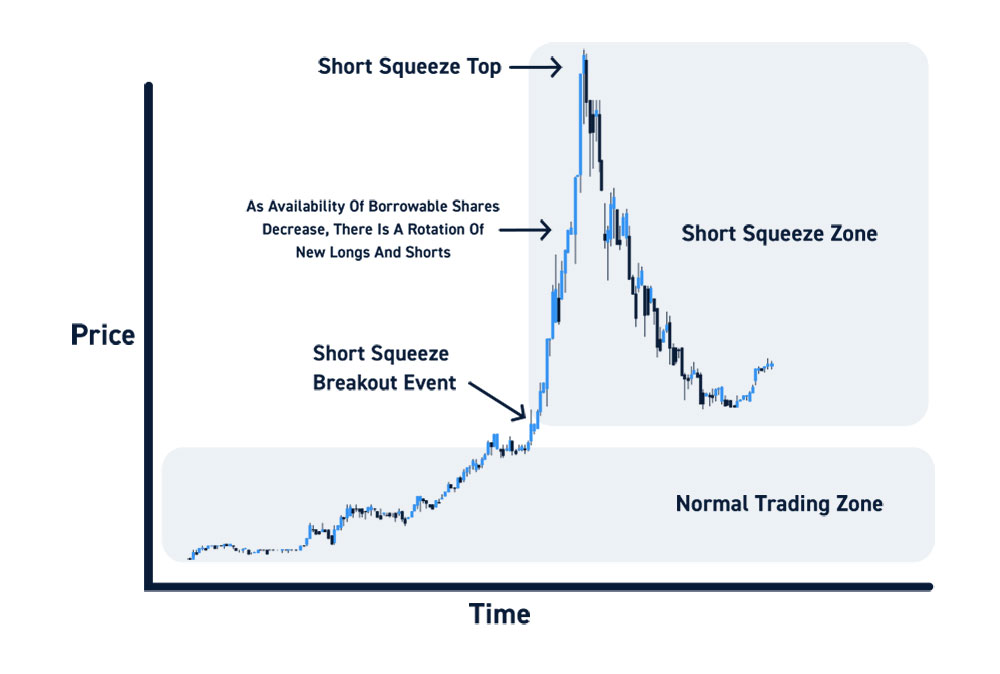
Short Squeeze refers to a situation where an asset’s demand becomes overwhelming its supply, thus forcing prices up despite any bad news about the company.[4] For example, if there is only one share of ABC Company left and there are five people wanting it you can bet that they’re going to pay whatever price to get it. This happens frequently with high-demand assets that are low in supply but can also happen on large-cap blue-chip companies.
Naked Shorts
Though this is more for the institutions, there are naked shorts as well. These are when an investor will sell shares they don’t have or haven’t even borrowed yet to open a short position.[5] There is no underlying security at all and the “seller” has no intention of ever repaying the loan made by their broker/dealer who gave them this privilege. Naked shorts may only be done on securities that trade above certain daily average lows set out by its exchange or other regulators, depending on how risky you want to be for your investment’s sake! The potential profits are great, but so is the risk. This is why you must have a margin account to sell short assets in your brokerage because naked shorting is illegal.
This isn’t for beginners Please be aware that none of these types of shorts are suitable for new investors or those with small accounts. If you’re still interested please start by completing the following steps:
1.) Identifying which securities are options for shorting
2.) Finding out if they are ‘shorted’ through your broker/dealer
3.) Learning the rules about each type
4.) Ensuring you have at least $2-5k on hand to open a position with
5.) Make sure you understand how it all works before you attempt to do it yourself!
Good luck and happy trading.
 Party Investors