Property taxes in NYC can be a significant expense for homeowners and landlords. In this blog, we will explain what property taxes are, how they are calculated in NYC, and some of the controversies surrounding this important source of revenue for the city.
What Are Property Taxes?
Property taxes are a type of tax that is levied on real estate, including land and buildings. The amount of property tax owed is generally based on the value of the property, which is typically determined through a process known as property assessment.
In some cases, the property tax rate may be set as a fixed amount per unit of value, while in other cases it may be calculated as a percentage of the property’s value.
Property taxes are used to fund a wide range of local government services, including schools, libraries, police and fire departments, and public infrastructure such as roads and bridges.
In many cases, property taxes are the main source of revenue for local governments, and they are used to pay for the salaries of government employees and the maintenance of public facilities.
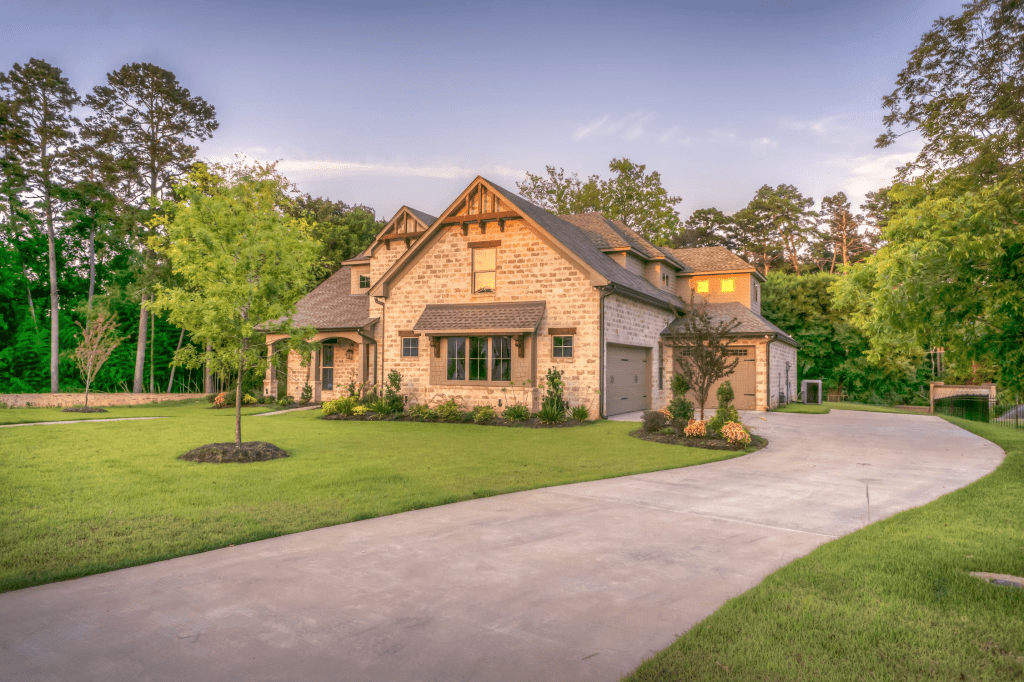
In NYC, property taxes are collected by the Department of Finance. The Department is responsible for assessing the value of properties in the city, determining the applicable tax rates, and collecting property taxes from homeowners and landlords.
The revenue from property taxes is used to fund a variety of local government services, including schools, public transportation, and public safety.
Calculating Property Taxes
To calculate property taxes in NYC, the city first assesses the value of the property. This assessment is performed by the Department of Finance, and it is based on a number of factors that are designed to reflect the property’s value.
These factors may include the size and location of the property, the condition of the building, and any improvements that have been made. The assessment may also consider the property’s use, such as whether it is a single-family home, a multi-unit rental property, or a commercial building.
Once the value of the property has been assessed, the city applies a tax rate to determine the amount of property tax owed. The tax rate is set by the local government, and it may vary depending on the property’s location and use.
For example, properties in certain neighborhoods may be subject to higher tax rates, while properties used for certain purposes, such as affordable housing, may be eligible for lower tax rates.
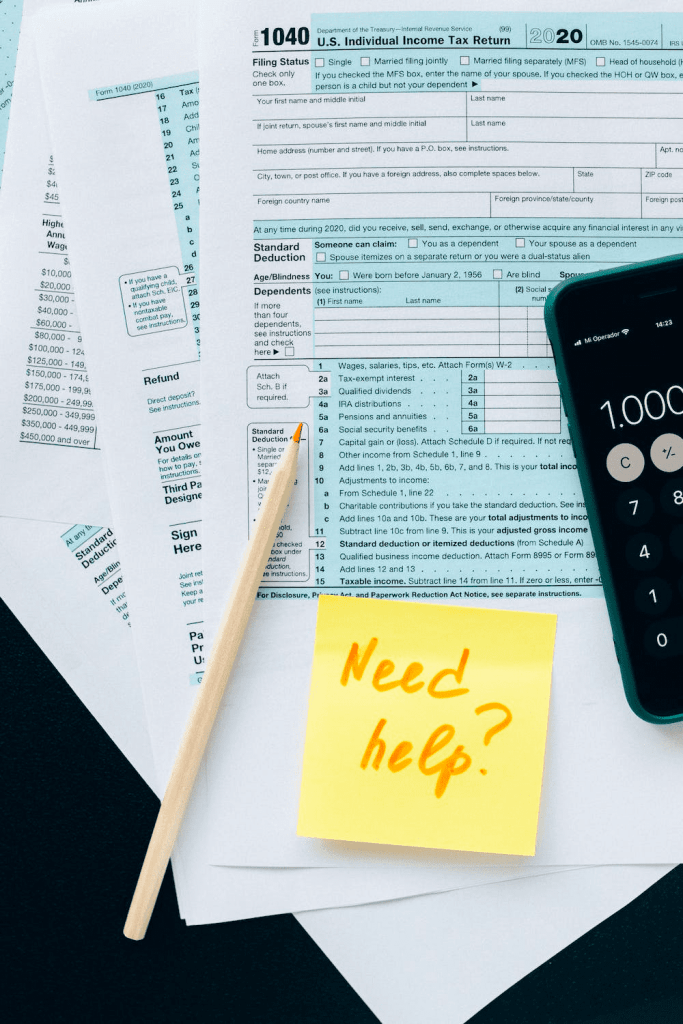
Once the property tax rate has been applied to the assessed value of the property, the amount of property tax owed is determined. This amount may be adjusted based on any applicable exemptions or deductions, such as the basic exemption for homeowners or the partial tax abatement for landlords who rent to low-income tenants.
The property tax bill is then issued to the property owner, and it is typically due on a specified date. If the property tax is not paid on time, the property owner may be subject to penalties and interest charges.
Exemptions and Deductions
There are several exemptions and deductions that may apply to property taxes in NYC. These exemptions and deductions are designed to provide relief to certain property owners, such as homeowners and landlords who rent to low-income tenants.
One example of a property tax exemption in NYC is the basic exemption for homeowners. This exemption applies to the primary residence of the property owner, and it reduces the taxable value of the property by a certain amount.
The basic exemption is available to all homeowners, regardless of income, and it is typically applied automatically by the Department of Finance.
Another example of a property tax exemption in NYC is the partial tax abatement for homeowners. This exemption is available to certain homeowners who meet certain income and asset requirements, and it reduces the amount of property taxes they owe.
To be eligible for the partial tax abatement, homeowners must apply to the Department of Finance and provide evidence of their income and assets.
Landlords who rent their properties to low-income tenants may also be eligible for a property tax exemption. This exemption is designed to encourage the provision of affordable housing in NYC, and it reduces the amount of property taxes that landlords owe.
To be eligible for this exemption, landlords must meet certain requirements, such as renting to tenants who meet certain income limits and maintaining the property in good condition.
In addition to exemptions, there are also deductions that may be available to certain property owners in NYC.
For example, property owners who make certain energy-efficient improvements to their properties may be eligible for a tax deduction. To claim a deduction, property owners must apply to the Department of Finance and provide evidence of the improvements they have made.
In conclusion, property taxes in NYC can be a significant expense for homeowners and landlords. The amount of property taxes owed is determined by the assessed value of the property, as well as any applicable exemptions and deductions.
Controversies surrounding property taxes in NYC include debates over the fairness of the assessment process and the use of tax exemptions and deductions.
Despite these controversies, property taxes remain an important source of revenue for the city, and they are used to fund important local government services.
 Party Investors